







Nippon Quality Primer for Interior Walls in Islamabad & Rawalpindi
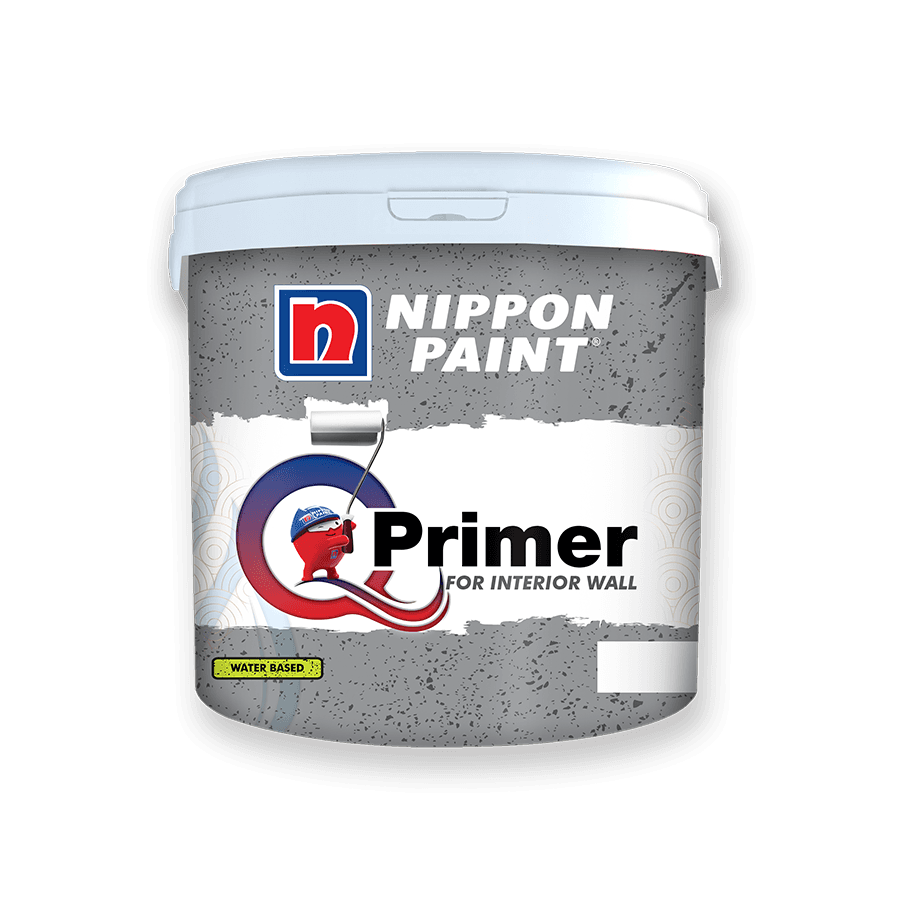
A smooth interior paint finish starts with a sound, properly prepared wall. New plaster, masonry and previously painted surfaces can contain dust, loose material or mild alkalinity that affects the finish coat. Nippon Quality Primer / Wall Sealer is an acrylic, water-based interior sealer designed to prime suitable surfaces and help protect finishing coats from the effects of mild alkalinity and moisture coming from the substrate.
For homeowners, painters and contractors in Islamabad and Rawalpindi, it is worth considering as the preparation coat in an interior wall-painting system. It is a primer/sealer, not a decorative topcoat or a waterproofing treatment.
What is Nippon Quality Primer used for?
Nippon describes Quality Primer as an acrylic water-based wall sealer for interior use. Its stated purpose is to prime the surface and help protect subsequent finish coats against mild alkalinity and moisture from the substrate.
The manufacturer lists these suitable interior surfaces:
- Plastered walls and interior masonry.
- Ceilings.
- Brickwork.
- Hardboard and softboard surfaces.
The product is listed as white with a matt appearance. It is intended as a preparation layer beneath a compatible interior finish, rather than as the final visible wall coating.
Key benefits for an interior painting project
- Helps protect the finish coat: formulated to reduce the effect of mild substrate alkalinity and moisture on the finishing system.
- Water-based acrylic sealer: water is listed as the thinner in the manufacturer data sheet.
- Designed for interior substrates: suitable for the plaster, ceiling, brickwork and board surfaces named in the product guidance.
- Defined one-coat sealer system: the linked technical data sheet specifies one coat at the recommended dry-film thickness.
These are preparation benefits. The sealer does not make a wall waterproof and should not be used to conceal active leakage, rising damp or unresolved structural moisture.
Nippon Quality Primer coverage and drying time
The technical data sheet currently linked from Nippon Paint Pakistan lists the following theoretical application information:
| Item | Manufacturer data | | --- | --- | | Recommended sealer coats | 1 coat | | Theoretical coverage | 12–14 m² per litre per coat | | Touch dry | Approximately 15 minutes | | Hard dry | Approximately 1 hour | | Minimum recoating interval | 2 hours | | Recommended dry-film thickness | Around 30 microns per coat |
Actual coverage will vary with wall porosity, surface texture, repairs, film thickness, application method and wastage. Treat the coverage as a planning estimate, not a guaranteed site yield. Temperature and humidity can also affect drying.
Thinning guidance in the linked technical data sheet
The TDS gives these water-thinning ratios by volume:
- Brush: 50–60% water.
- Roller: 20–30% water.
- Air spray: 30–40% water.
Use the ratio for the tool being used and check the current container label before mixing. Do not add extra water simply to stretch the material; incorrect dilution can change the applied film and actual coverage.
Surface preparation before applying the primer
Good preparation is essential. The manufacturer guidance calls for clean, dry surfaces and warns against application while wall moisture or alkalinity remains high.
New plaster or bare masonry
- Allow plaster and masonry to dry thoroughly before painting.
- Remove loose or defective paint, powdery residue, dust, grease and other contaminants.
- Repair cracks, holes and uneven areas with a suitable compatible filler or Nippon wall putty.
- Let repairs dry, then sand the filled areas smooth.
- Remove sanding dust and make sure the surface is clean and dry.
- Check moisture and alkalinity before priming. The linked TDS recommends wall moisture below 16% and alkalinity below pH 9.
If the wall remains damp or highly alkaline, delay painting and identify the cause. Applying primer over a wet or unstable substrate is not a substitute for correcting the problem.
Previously painted interior walls
- Scrape away unstable or flaking paint.
- Remove loose chalk, dust and foreign matter.
- Repair surface defects and allow the repairs to dry.
- Clean the wall and let it dry fully.
- Spot-prime prepared areas with Nippon Quality Primer as directed by the TDS; use the full system where the substrate requires it.
How to apply Nippon Quality Primer
- Confirm that the surface is suitable, dry, clean and sound.
- Select a brush, roller or air-spray method.
- Thin only according to the tool-specific TDS ratio and current pack instructions.
- Apply one even coat, avoiding heavy build-up, runs and missed patches.
- Allow the sealer to dry and observe the minimum two-hour recoating interval in the linked TDS before proceeding.
- Apply a compatible interior finish coat system according to that finish product's own instructions.
The linked Nippon TDS lists Nippon Quality Emulsion, Nippon Easycoat Emulsion and Nippon Matex Gold as finish options in its masonry system. See the Nippon Easy Coat Emulsion, Nippon Matex Gold Emulsion and the wider Nippon interior paint range before selecting the final coating. Follow the current finish product's specified coat count; the primer's one-coat instruction does not determine the topcoat coat count.
Important cautions
- Interior use only: Nippon lists Quality Primer for interior walls and substrates. Choose a product specifically approved for exterior exposure when painting outside.
- Not a leak repair: it is not a roof coating, damp-proof membrane or treatment for active water ingress.
- Do not prime wet walls: first correct plumbing leaks, rain penetration, rising damp or other moisture sources and allow the substrate to dry.
- Check alkalinity: do not proceed while the wall is above the TDS moisture or pH limits.
- Use sensible protection: keep the container closed and out of reach of children; maintain ventilation and use eye protection during application.
- Confirm current instructions: technical data and pack availability can change. The current label and manufacturer instructions supplied with the product take precedence.
Where to buy Nippon Quality Primer in Islamabad and Rawalpindi
Al-Waqas Paint & Hardware can help you check product availability and choose a compatible interior finish for your wall condition and project. Ask the team about Nippon Quality Primer, coverage planning and the correct preparation sequence before starting work.
Manufacturer references
- Nippon Paint Pakistan — Nippon Quality Primer
- Nippon Quality Primer / Wall Sealer Technical Data Sheet
Search keywords
Nippon Quality Primer price in Pakistan, Nippon Quality Primer Islamabad, Nippon Quality Primer Rawalpindi, interior wall primer Islamabad, water based wall sealer Pakistan, acrylic primer for interior walls, primer for plastered walls, Nippon primer coverage per litre, Nippon Easy Coat Emulsion, Nippon Matex Gold, Al-Waqas Paint & Hardware.