














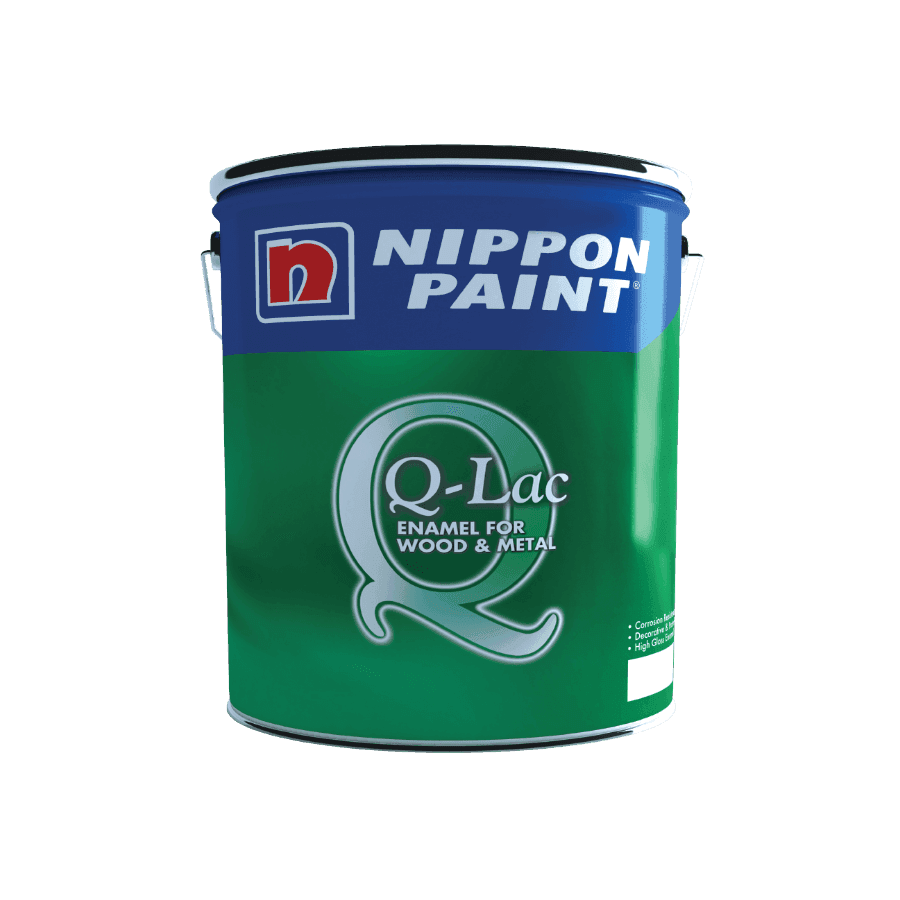
Nippon Q-Lac Gloss Enamel for wood and metal in Islamabad & Rawalpindi
Doors, window frames, gates, grilles and furniture need a finish that can handle regular contact while keeping a neat appearance. Nippon Q-Lac Gloss Enamel is a long-oil alkyd enamel designed for the decoration and protection of both interior and exterior wood and metal surfaces. Nippon Paint Pakistan describes it as an easy-to-apply enamel that forms a smooth, tough, high-gloss film with good durability and fungus resistance.
For homeowners, fabricators, painters and contractors in Islamabad and Rawalpindi, Q-Lac is an option when a traditional glossy enamel finish is wanted on properly prepared wood or metal. The final result depends heavily on the substrate, the correct primer and undercoat, and allowing enough time between coats.
What makes Nippon Q-Lac different?
The manufacturer's product information and October 2025 Technical Data Sheet (TDS) identify these product characteristics:
- High-gloss appearance: designed to give a bright, glossy finish on suitable wood and metal surfaces.
- Tough paint film: Nippon describes the dried film as smooth and tough, with good durability.
- Gloss retention and scrub resistance: these are stated performance aims in the TDS.
- Corrosion resistance: listed by Nippon as a product property. On metal, this does not remove the need for proper rust removal and the specified primer system.
- Fungus resistance: included in Nippon's official product highlights.
Q-Lac is a solvent-based alkyd enamel, not a water-based enamel. The TDS identifies a long-oil alkyd binder and lists kerosene or mineral turpentine as the thinner. This affects application, clean-up, ventilation and fire precautions.
Where can you use Nippon Q-Lac?
Nippon recommends Q-Lac for decoration and protection of interior and exterior wood and metal. Suitable project examples include:
- Wooden doors, frames, skirting and trim.
- Interior and exterior metal gates, grilles and railings.
- Metal window frames and other suitable fabricated metalwork.
- Wooden furniture and other sound, paintable wood surfaces.
The product is intended for wood and metal. Do not assume it is a wall emulsion, masonry coating, floor coating or waterproofing membrane. For concrete, plaster, roofs, plastic or surfaces that remain immersed or constantly wet, choose a coating specifically approved for that substrate and exposure.
For exterior gates and frames around Islamabad and Rawalpindi, plan painting for a dry weather window. The surface must be dry and protected from rain or dew while the coating is applied and drying. A glossy enamel topcoat is not a substitute for repairing leaks, treating active corrosion or selecting the right metal primer.
See the Nippon Q-Lac Gloss Enamel product page at Al-Waqas Paint for the catalogue listing and product image.
Nippon Q-Lac coverage, coats and drying time
The Nippon Paint Pakistan TDS available for Q-Lac is revised October 2025. It lists the following technical guidance:
- Theoretical coverage: 12–14 m² per litre per coat.
- Recommended finish coats: 2–3 coats.
- Touch dry: 4–6 hours, depending on temperature and humidity.
- Hard dry: up to a maximum of 16 hours.
- Recoating interval: 16 hours.
Coverage is a theoretical guide, not a guaranteed site yield. The actual quantity depends on the condition and profile of the surface, the colour change, the application method, film thickness and wastage. Rough timber, pitted metal, repairs and uneven old coatings can consume more paint. Measure the actual paintable area and allow for the required number of coats.
Do not confuse touch dry with ready for recoating. The TDS specifies a 16-hour recoat interval. Cooler temperatures, high humidity and poor ventilation can slow drying further, so check the surface and current container instructions before continuing.
How to thin and apply Q-Lac
Nippon's October 2025 TDS gives separate thinning guidance by application tool:
- Brush or roller: dilute by 10–15% by volume with kerosene or mineral turpentine.
- Conventional air spray: dilute by 15–20% by volume with kerosene or mineral turpentine.
Use the correct thinner and do not substitute water. Avoid adding more thinner than the specified range, because excessive thinning can reduce film build and affect the finish.
A practical application sequence is:
- Confirm that the wood or metal is clean, dry, sound and properly primed or undercoated.
- Stir the paint thoroughly before use.
- Measure the thinner and dilute only within the TDS range for the chosen tool.
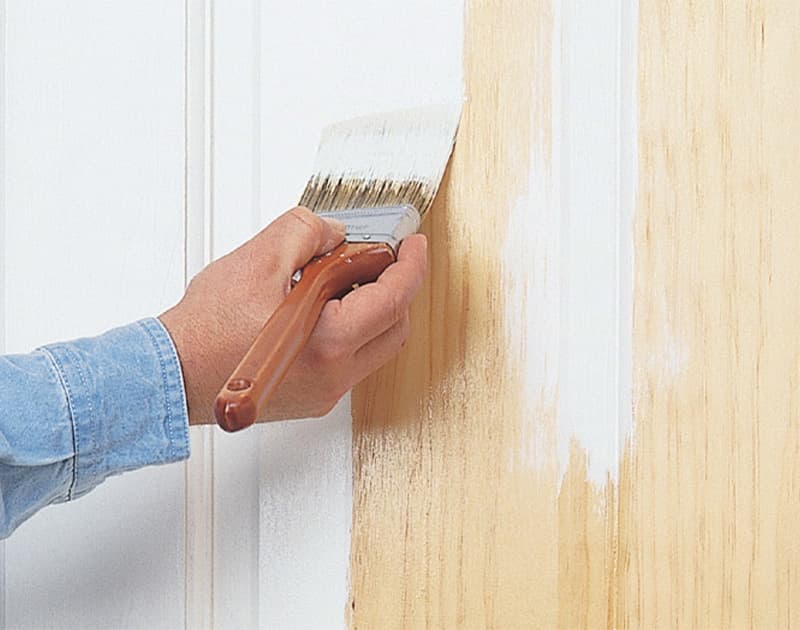
- Apply an even coat, avoiding runs, heavy edges and missed areas.
- Allow the full 16-hour recoat interval before applying the next coat.
- Clean brushes and equipment immediately after use with kerosene or mineral turpentine, as directed by the TDS.
For visible doors, cabinets and gates, make a small test application first. This helps check colour, gloss, adhesion and compatibility with the existing coating before painting the complete surface.
Surface preparation and the recommended coating system
A glossy finish highlights poor preparation. Nippon's TDS separates preparation for new wood, new metal and previously painted surfaces.
New wood
- Use dry, seasoned wood that is free from dirt, grease and other contaminants.
- Sand the surface smooth and remove sanding dust.
- Make sure the surface is dry before coating.
- Apply one coat of Nippon Synthetic Undercoat.
- Apply 2–3 coats of Nippon Q-Lac Enamel, allowing the specified interval between finish coats.
Do not apply enamel over damp timber, wax, polish or oily contamination. Repair holes and defects with a compatible wood filler and let repairs dry before sanding and priming.
New steel and iron
- Make sure the metal is dry and free from dirt, grease and other contaminants.
- Sand or wire-brush ferrous metal to remove rust and mill scale.
- Remove dust and allow the surface to dry.
- Apply one coat of Nippon Red Oxide Primer or Nippon Hi-Bond Primer, as specified in the TDS system.
- Apply one coat of Nippon Synthetic Undercoat.
- Finish with 2–3 coats of Nippon Q-Lac Enamel.
The primer is an important part of the protection system. Do not paint directly over active rust, loose scale or a failing old coating. See the Nippon Red Oxide Primer catalogue page for the product listing; confirm the compatible primer for the exact metal and exposure before purchase.
New aluminium and galvanised iron
Nippon's TDS specifies a different primer route for these substrates:
- Clean the surface thoroughly and make sure it is dry and free from grease and contaminants.
- Apply one coat of Nippon Etching Primer 120 or Nippon Zinc Chromate Primer, following the relevant primer's current instructions and safety data.
- Apply one coat of Nippon Synthetic Undercoat.
- Apply 2–3 coats of Nippon Q-Lac Enamel.
Do not use a standard red oxide primer on aluminium or galvanised metal unless Nippon specifically confirms it is suitable. Primer selection is substrate-specific.
Previously painted wood and metal
- Scrape off all loose or flaking paint.
- Sand defective areas smooth and remove dust.
- On ferrous metal, remove rust thoroughly rather than covering it.
- Ensure the complete surface is dry and free from dirt, grease and other contaminants.
- Spot-prime scraped or bare areas with the appropriate primer before applying the undercoat and finish system.
If an old coating is extensively peeling, contaminated or incompatible, remove the unsound material and confirm the correct repainting system before proceeding.
Weather, moisture and site conditions
Q-Lac is listed for exterior as well as interior wood and metal, but outdoor work needs sensible timing and preparation:
- Paint only clean, dry surfaces. Do not coat wet metal, damp timber, condensation or surfaces with active water ingress.
- Avoid application when rain or dew is expected before the coating has had time to dry.
- High humidity and low temperatures can extend drying; the TDS specifically notes that temperature and humidity affect touch-dry time.
- Remove rust and use the specified primer system before finishing metal exposed to weather.
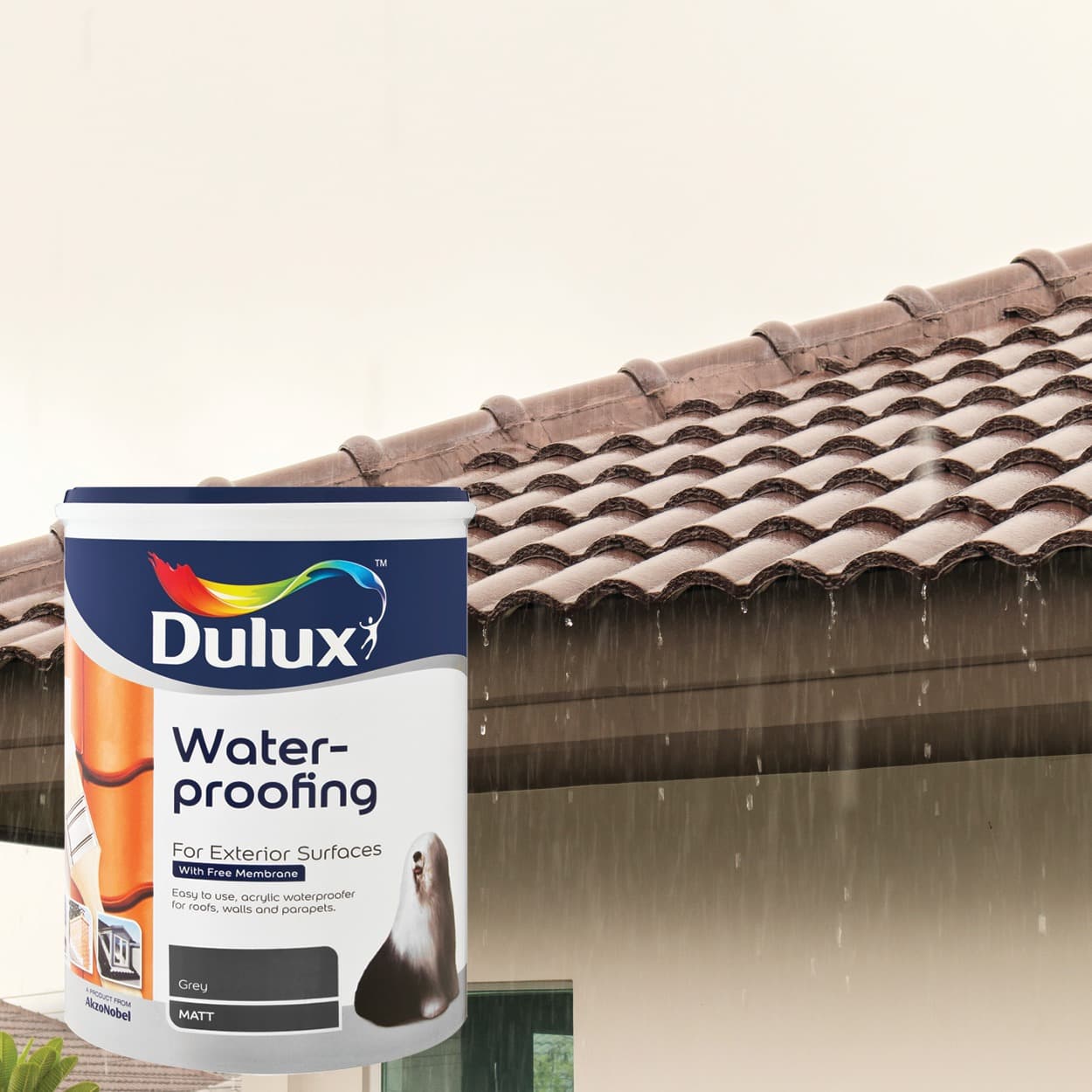
- Do not treat Q-Lac as a roof waterproofing product, a damp-proofing system or a replacement for structural corrosion repair.
Safety, ventilation and clean-up
Nippon's TDS identifies Q-Lac as flammable and gives important handling precautions. Because it is a solvent-based enamel:
- Keep the paint, thinner and vapours away from flames, sparks, smoking and other ignition sources.
- Ensure good ventilation during application and drying. Avoid breathing vapour or sanding dust.
- Wear suitable eye protection, protective clothing and an appropriate mask; avoid contact with eyes and skin.
- Keep the product out of reach of children and away from food and drink. Do not swallow it.
- Store the container upright in a cool, dry place and take care during transport.
- Use kerosene or mineral turpentine for tool clean-up as specified; do not pour leftover paint or thinner into drains or the environment.
- Follow the product label, current safety data and local waste-disposal requirements. In case of swallowing or eye contact, follow the TDS first-aid instructions and seek medical advice immediately.
Low or high gloss does not change the need for safe solvent handling. Keep people away from the work area until it is adequately ventilated and the coating has dried as directed.
Is Nippon Q-Lac the right enamel for your project?
Q-Lac is worth considering when you want a traditional high-gloss alkyd enamel for suitable interior or exterior wood and metal. It offers a manufacturer-listed tough film, gloss retention, scrub resistance and corrosion resistance, but those results depend on surface preparation and the complete coating system.
If you need a water-based, low-odour product for an occupied interior, compare the manufacturer's water-based wood-and-metal options instead. If your project involves masonry, floors or waterproofing, choose a product designed for that job rather than using Q-Lac outside its stated substrate range.
Get Nippon Q-Lac Gloss Enamel in Islamabad and Rawalpindi
Al-Waqas Paint & Hardware can help you check current availability, pack sizes, shade options and the suitable primer and undercoat for your project. When requesting a quantity estimate, share the surface material, approximate dimensions, whether it is new or previously painted, and a photo of its condition.
Search keywords
Nippon Q-Lac price in Pakistan, Nippon Q-Lac Islamabad, Nippon Q-Lac Rawalpindi, Nippon Q-Lac Gloss Enamel, high gloss enamel paint for wood, enamel paint for metal gates and grills, Nippon alkyd enamel coverage, Nippon Q-Lac drying time, Nippon enamel paint for doors and windows, wood and metal paint Islamabad, exterior enamel paint Rawalpindi, Nippon Red Oxide Primer, Al-Waqas Paint & Hardware.