







Nippon Hi-Bond Wall Primer for alkaline walls
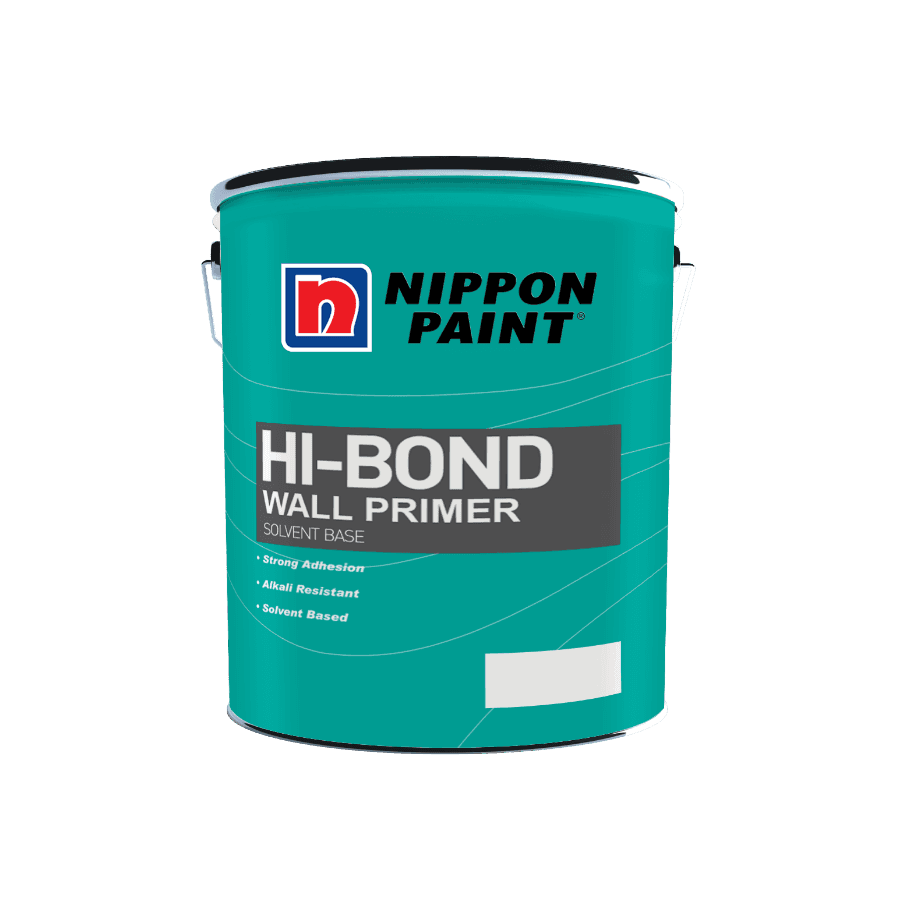
Fresh plaster and masonry can remain alkaline while curing. Applying a decorative finish before preparing the substrate can contribute to poor adhesion or an uneven result. Nippon Hi-Bond Wall Primer is a solvent-based primer designed to provide an alkali-resistant barrier and a suitable base for a subsequent topcoat.
For homeowners and painters in Islamabad and Rawalpindi, this guide explains where it fits in a wall-painting system and how to prepare the surface.
What the product is designed to do
Nippon describes Hi-Bond as a solvent-based primer with strong adhesion and alkali resistance. Its product information says it can be used on new and already-painted walls to form a barrier against alkalinity and provide a smooth base for the finish coat. The technical sheet specifically recommends it for protection against moisture and alkali on interior walls. Confirm the intended substrate and system with the current pack/TDS before use.
TDS figures and application
Nippon's October 2025 technical data sheet lists:
- Coverage: approximately 14–16 m² per litre per coat, depending on substrate condition
- Recommended coats: one
- Touch dry: about 2 hours
- Hard dry: up to 8 hours
- Recoat interval: 16 hours
The TDS describes a matt white finish. For brush or roller application it specifies 10–20% thinning by volume with kerosene or mineral turpentine; conventional air spray is listed at 15–20%. Use only the thinner and dilution permitted by the current product label, and do not thin by guesswork.
Surface preparation
- Allow new plaster or masonry to cure and dry properly. Do not use primer to hide active dampness, leakage or salts.
- Remove loose material, dust, grease, wax and other contamination.
- Scrape away flaking paint and sand the edges of sound existing paint to create a firm transition.
- Treat mould or algae at the source, following the cleaner's safety directions, and let the wall dry completely.
- Repair cracks and holes with a compatible repair material; allow repairs to dry before priming.
- Remove sanding dust and check that the surface is sound and dry.
Applying Hi-Bond
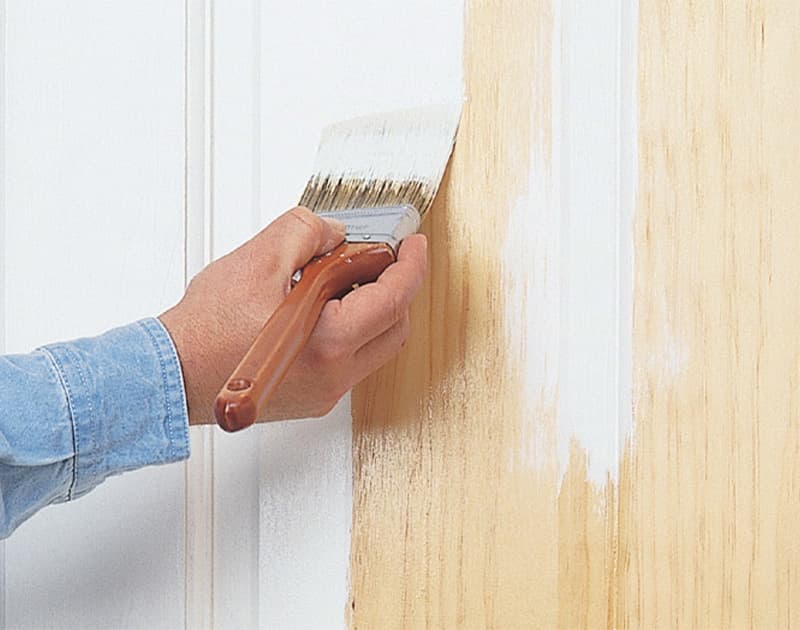
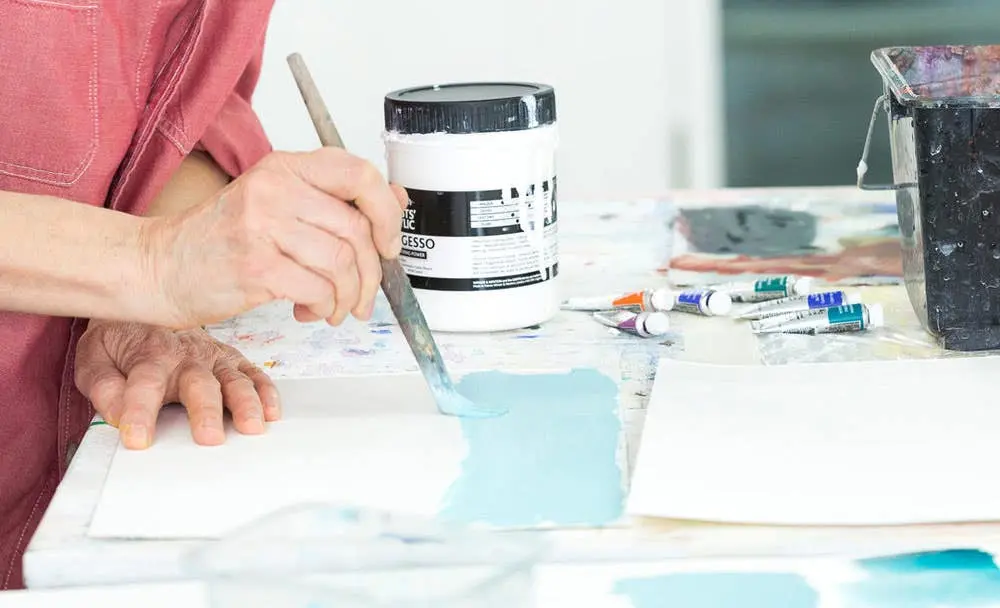
Stir the primer thoroughly. Apply an even coat to the prepared surface using a suitable brush, roller or approved spray method. Avoid puddles and missed patches. Respect the TDS recoat interval; drying can vary with temperature, humidity, ventilation and substrate absorbency. Apply the selected compatible topcoat only after the primer has dried as directed.
Important cautions
- This is a solvent-based coating. Keep it away from flames, sparks and smoking.
- Provide strong ventilation and use suitable gloves, eye protection and respiratory protection where required.
- Keep the product away from children, drains and watercourses.
- Do not apply over wet walls or treat it as a waterproofing membrane.
- The TDS's figures are indicative; rough, porous or repaired walls can use more material.
- Always follow the current container label and technical data sheet if they differ from older guidance.
Is Hi-Bond right for your wall?
The right primer depends on the wall's age, moisture condition, existing paint and intended topcoat. Al-Waqas Paint & Hardware can help check the product system and estimate the quantity for your project in Islamabad or Rawalpindi.
View Nippon Hi-Bond Wall Primer in our catalogue and Nippon Paint Pakistan's product information.
Search keywords
Nippon Hi-Bond Wall Primer price Pakistan, Nippon Hi-Bond Primer Islamabad, Nippon Hi-Bond Primer Rawalpindi, alkali resistant wall primer, solvent based wall primer, wall primer coverage Pakistan, primer for new plaster, Al-Waqas Paint & Hardware.