













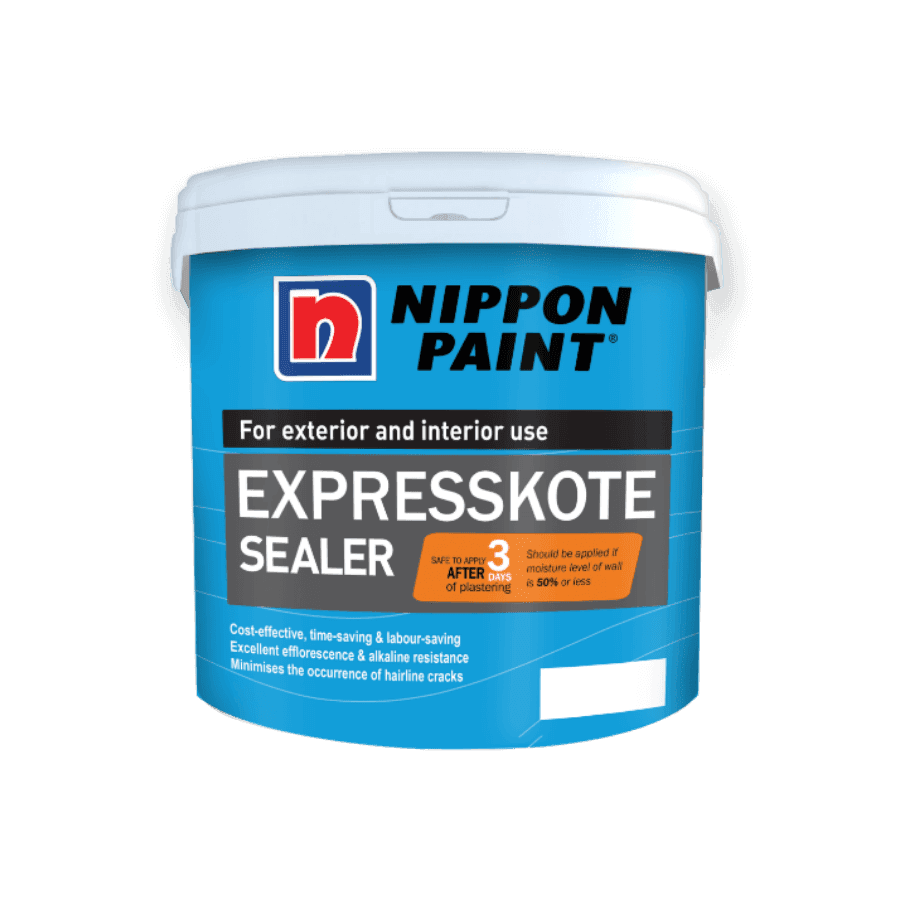
What is Nippon Expresskote Sealer?
Fresh plaster and concrete need a suitable preparation coat before decorative paint. Nippon Expresskote Sealer is a water-based, modified styrene-acrylic sealer designed for new and old cement-rendered surfaces, indoors and outdoors. Nippon describes it as a low-VOC, formaldehyde-free product with adhesion, fresh-plaster efflorescence resistance, alkaline resistance, and resistance to fungus and algae.
For homeowners, painters and contractors in Islamabad and Rawalpindi, its main role is substrate preparation: it helps create a more consistent base for a compatible finishing system. It is not the decorative topcoat and should not be treated as a stand-alone roof or bathroom waterproofing membrane.
Where can it be used?
Nippon's October 2025 Technical Data Sheet (TDS) lists these recommended substrates:
- Cement plaster and cement-rendered walls, both new and old.
- Precast concrete and cast-in-situ concrete.
- Brickwork.
- Hard and soft boards.
- Gypsum boards.
The product is specified for internal and external conditions. Nippon's product page also says it can be applied after three days of plastering. That timing should not be treated as an automatic green light for every wall: the TDS separately requires the surface to be clean, dry and stable. If fresh plaster remains damp, powdery or contaminated, correct the condition and seek technical advice before coating.
Product benefits — and important limits
The manufacturer identifies several useful properties:
- Fresh-plaster efflorescence resistance: helps reduce the risk of salt deposits affecting the subsequent paint system.
- Good adhesion and alkaline resistance: intended to prepare cement-based substrates for compatible topcoats.
- Fungus and algae resistance: a useful feature in humid or shaded locations, but not a substitute for removing existing growth and correcting persistent dampness.
- Water-based, low-VOC and formaldehyde-free formulation: the TDS also lists certification under Singapore Green Label scheme SGL-032.
- Fast drying: the TDS provides specific surface-dry, hard-dry and recoating guidance below.
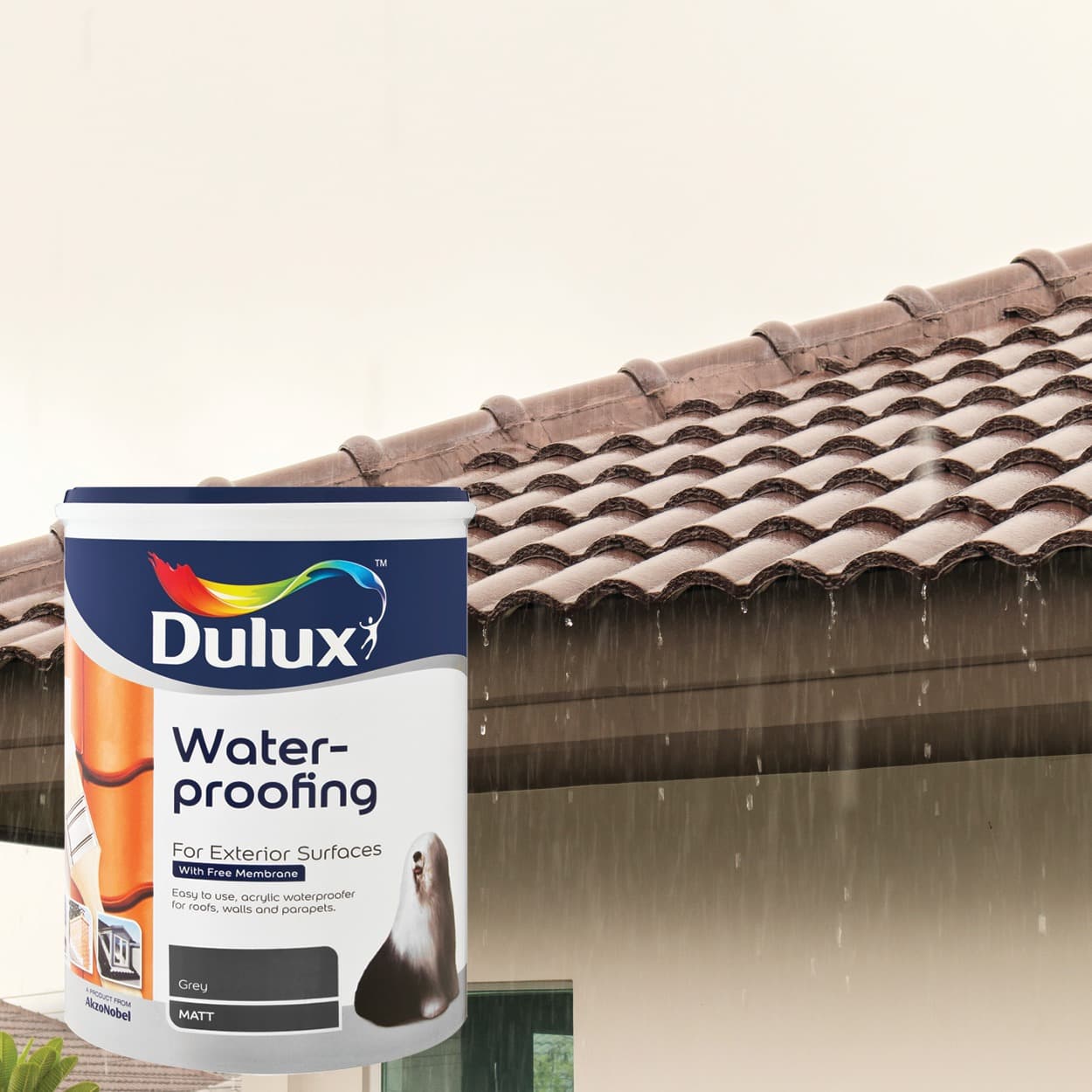
Know what it does not do: Expresskote is a sealer, not a flexible roof membrane, crack-bridging waterproofing system or final weatherproof decorative finish. It cannot repair a leaking pipe, failed roof detail, rising damp or structural movement. Fill cracks with a suitable exterior-grade water-resistant filler as directed by the TDS, and repair the source of water ingress before painting. Select a compatible finish coat for the intended interior or exterior exposure.
Nippon Expresskote coverage, coats and drying time
The manufacturer TDS linked from Nippon's Pakistan product page is revised October 2025. Its stated figures are:
| Technical item | Manufacturer guidance | | --- | --- | | Binder | Modified styrene-acrylic polymer | | Thinner | Water | | Appearance | White, flat / matt | | Recommended coats | 1–2 | | Theoretical coverage | Approx. 11 m² per litre per coat at 30 microns DFT | | Surface dry | 30 minutes at 30°C | | Hard dry | 1 hour at 30°C | | Recoat interval | 2 hours under normal conditions | | Application | Brush or roller | | Dilution | No dilution necessary for best performance | | Tool clean-up | Clean with water immediately after use | | Standard packing in TDS | 1 L and 4 L |
Coverage is theoretical, not a guaranteed site yield. Nippon notes that actual coverage depends on substrate condition and that irregular or porous surfaces require more material. Rough plaster, open pores, repairs and application technique can all change consumption. Measure the area and allow for the condition of the wall rather than ordering solely from the theoretical figure.
Drying figures are given at 30°C; cooler conditions, high humidity and limited airflow can extend drying. The two-hour recoating interval is stated for normal conditions, so do not rush a second coat or the next product in the system if the surface has not dried properly.
Surface preparation before application
Nippon's TDS says the substrate must be clean, dry and stable. Work through these checks before opening the sealer:
- Remove unstable material. Scrape or mechanically brush away powder, loose bonding film, peeling paint, loose plaster and dirt. The TDS also permits a suitable high-pressure water-jet wash; allow the surface to dry again afterwards.
- Remove dust and contamination. Wipe away dust and foreign matter with a damp cloth. Remove oil or grease using solvent cleaning or a mild detergent, then let the surface dry.
- Treat fungus and algae. Wash affected areas and use a general bleaching solution, or apply Nippon Anti-Fungus Solution and leave it for at least two hours as stated in the TDS. Follow the cleaner's label, wear gloves and eye protection, ventilate the area, and never mix bleach with acids or ammonia. Allow the wall to dry before coating.
- Repair hairline cracks. Fill them with a suitable exterior-grade water-resistant putty or filler. Larger or moving cracks need proper diagnosis and repair rather than simply being covered.
- Check the substrate again. Confirm that it is sound, clean and dry, with no active seepage, loose film or remaining contamination.
The Expresskote TDS includes a moisture note: allow the surface to dry if moisture is above 50%. The sheet does not explain a measurement method for that percentage. Do not interpret it as permission to coat a visibly wet wall; if the reading or condition is uncertain, confirm the correct test and acceptable substrate condition with Nippon technical support.
How to apply Nippon Expresskote Sealer
- Stir the material thoroughly and use it as supplied. Nippon says no dilution is necessary for best performance.
- Apply by brush or roller, following the recommended 1–2 coats and the stated film build.
- Allow the first coat to dry and observe the two-hour recoating interval under normal conditions before applying another coat.
- Let the sealer dry adequately before applying the selected compatible putty, primer or decorative finish system. Check the topcoat manufacturer's instructions as well; the sealer's drying time does not override the finish product's requirements.
- Wash brushes and rollers with water immediately after use.
For large projects, test a small area first and confirm that the selected topcoat is compatible. Do not add extra water to stretch the material or change the application method beyond the manufacturer's guidance.
Moisture, weather and safety advice for Islamabad and Rawalpindi
Monsoon seepage, roof leaks, plumbing faults, damp boundary walls and shaded elevations can leave masonry wet long after rain has stopped. Fix the source of moisture first. For exterior work, choose a dry weather window, avoid applying to rain-wet or dew-covered surfaces, and protect the work from rainfall until it has dried sufficiently for the next compatible coat. These are practical site precautions; the TDS drying figures are guidance at 30°C and normal conditions, not a promise for every outdoor site.
The TDS advises good ventilation during application and drying, avoiding direct skin contact, and using suitable personal protective equipment. Keep the sealed container away from children, food and drink. Wear eye protection; if material enters the eyes, rinse immediately with plenty of water and seek medical advice. Store the tightly sealed container in a cool, dry place, keep it upright during transport, and dispose of waste in accordance with local environmental requirements. The TDS lists a shelf life of up to 18 months in a tightly sealed container.
Is Nippon Expresskote right for your project?
Choose Expresskote when you need a manufacturer-specified sealer for suitable new or existing cement-rendered surfaces, concrete, brickwork or approved boards before a compatible finish. Its low-VOC water-based formulation, adhesion and efflorescence-resistance properties make it a useful preparation option, provided the substrate is properly prepared.
It is not a cure for active dampness or water leakage, and it does not replace a dedicated waterproofing system where one is required. If you are unsure whether your wall needs a sealer, a waterproofing treatment or a different primer, share photos and the surface details with Al-Waqas Paint & Hardware before buying.
Need Nippon Expresskote Sealer in Islamabad or Rawalpindi? Contact Al-Waqas Paint & Hardware for current availability, pack options and product-selection guidance.
Search keywords
Nippon Expresskote Sealer price Pakistan, Nippon Expresskote Islamabad, Nippon Expresskote Rawalpindi, Nippon Expresskote Sealer coverage, fresh plaster sealer Pakistan, cement plaster sealer Islamabad, concrete wall sealer Rawalpindi, efflorescence resistant wall sealer, water based acrylic wall sealer, sealer for new plaster, Nippon surface preparation products, Nippon Expresskote drying time, Al-Waqas Paint & Hardware.